
The Amahoro
music school
Amahoro means peace. It was the first music school in Burundi: it started in Bujumbura with a container of instruments shipped from Rovereto, it closed during the coup, and it has been reborn twice — each time a little further from the capital.
How it began
In 2011 two musicians, Lorenzo Frizzera and Carlo Alberto Canevali, spent a month at the Kamenge Youth Centre in Bujumbura, the main city of Burundi, teaching music to the young people of the neighbourhood.
“In the northern districts almost everything is missing. Electricity, water, roads. Every possible disease is there: malaria, cholera, typhoid, tetanus, HIV. But it is hard to explain if you have not been. I asked myself what sense there was in teaching music in a place where the real problems are so different. I understood when I saw these young people's eyes light up as they listened to something they had never heard, when they came looking for me because I was a few minutes late. I understood when some of them learned the guitar by going over the lessons from memory, fingering the chords on their own arm. When Oliver sang us a song of his own about war, hatred and hope: when he sings he lives in another, better world.”
Lorenzo Frizzera
So, from 2014, we started the first music school in the country by shipping a large quantity of musical instruments by container. The school grew to about 60 students and 6 local teachers, and became well known for the concerts and events it organised, gathering month after month the attention of the Burundian media. Through music, a cultural and social bridge had been built.
Closing, and opening again
Then, with the serious unrest that followed the last coup, we had to bury the instruments in a garden, close the school and wait.
Running a project in these countries is extremely complicated. But, as they say in Africa, “if the right time to do something never comes, it means you have to start right now”. That is why we did not give up, and two years later we reopened the school in Rutovu, an outlying town near the sources of the Nile.
“The young people of the Rutovu community had no joy before; their behaviour was ruining their lives and their health. The music school helped them find a way out, a way to appreciate the beauty of life and its worth.
Before our music school there was a separation in Rutovu between Hutu and Tutsi young people. The Pygmies were forgotten. The school welcomed all of them, from every ethnic group, and at school everyone felt like one family: reconciliation and brotherhood came back of their own accord.
The fruits of music do not stop with our young people: other communities gather in the main town to hear the music and to watch their children and grandchildren play and dance, and it makes them very happy.”
Father Philippe Mbonicimpaye, head of the school
In recent years the number of students grew a great deal, and many of them walked fifteen kilometres to get to their lesson — and fifteen more to get home. Exhausted, they slept near the school. So we opened a second site in Mugamba.
Our music school has kept many young people out of the armed groups still fighting between Burundi and Congo.
Father Philippe, in his own words
Audio recording, in Italian.
A lesson, filmed
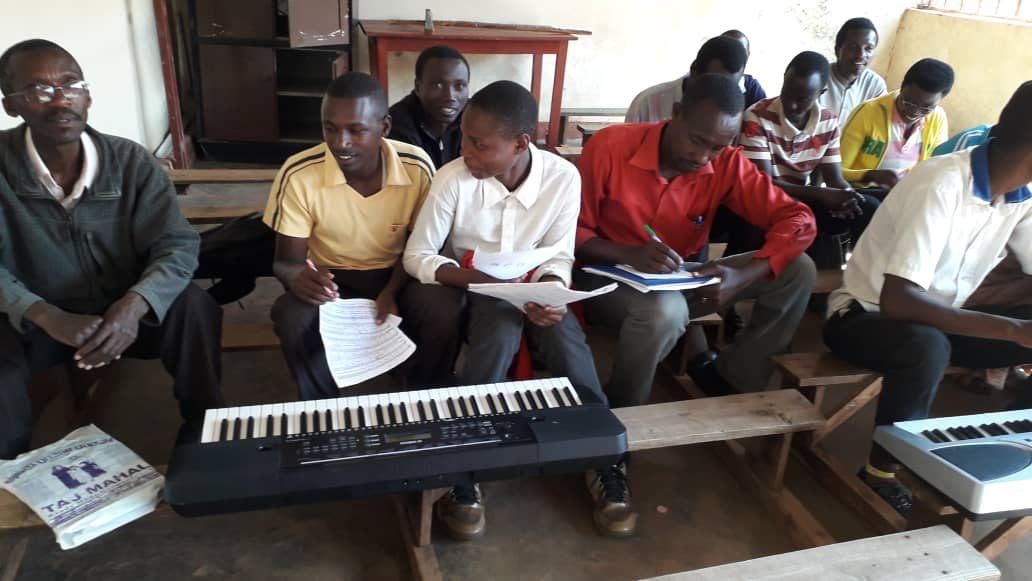
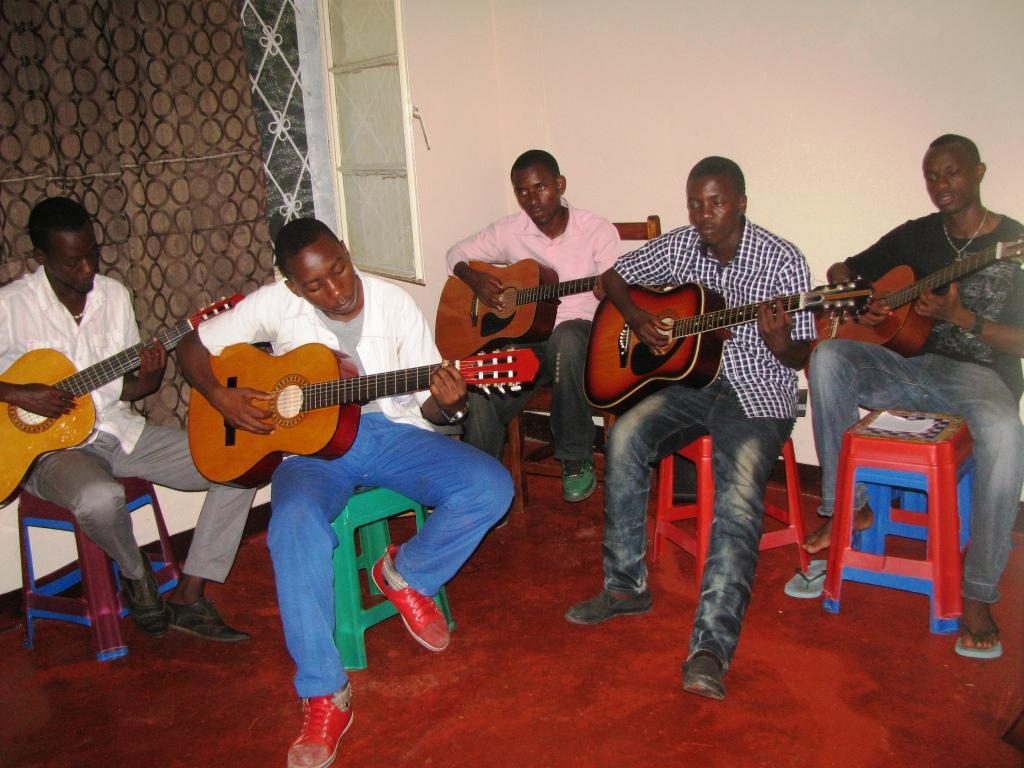
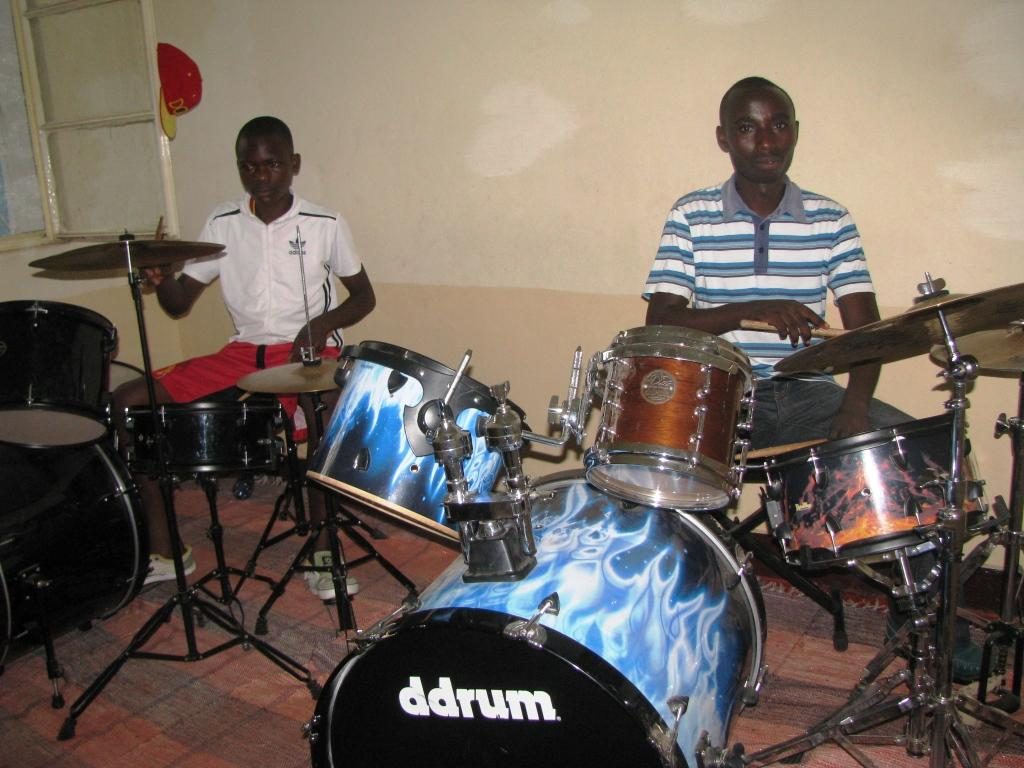
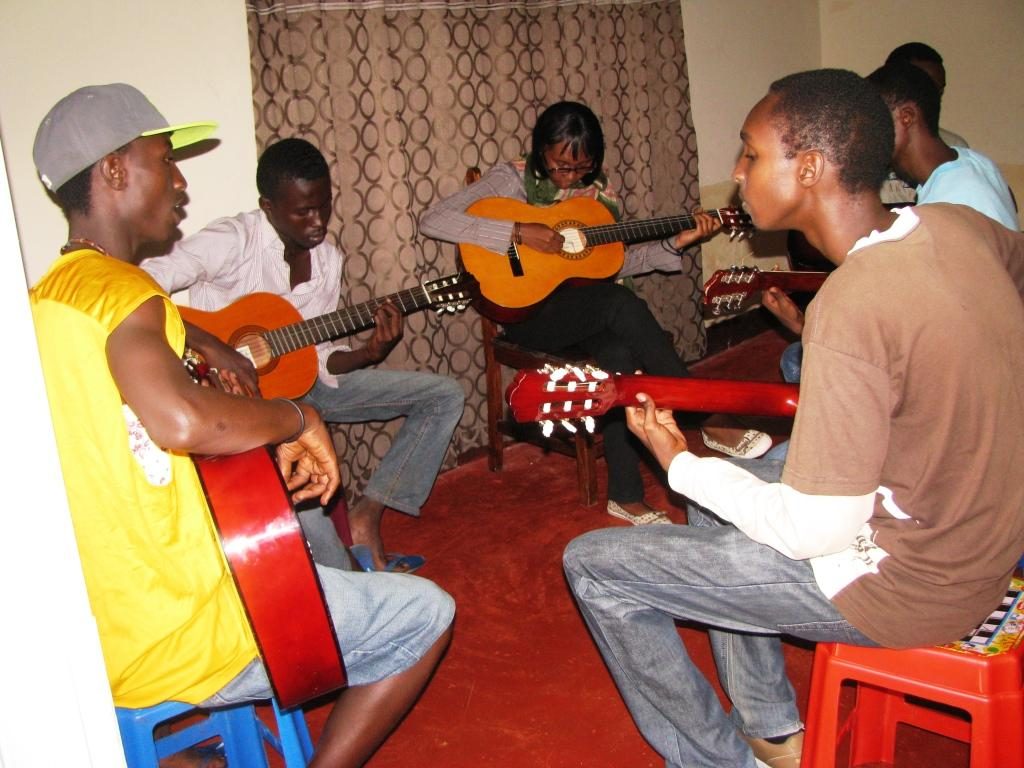
Lessons are taught on the instruments that arrived from Italy, repaired and put back into working order. The repertoire mixes what the students already sing with what they learn from their teachers.
Every now and then somebody sends us a video from their phone: it is the most direct way we have of seeing how things are going.
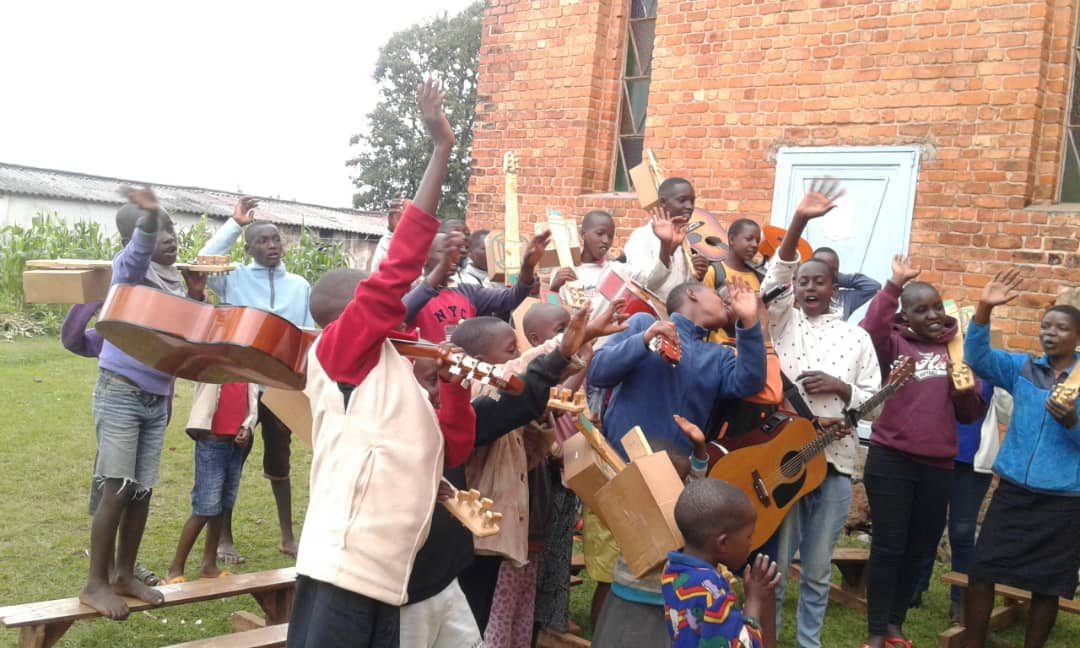
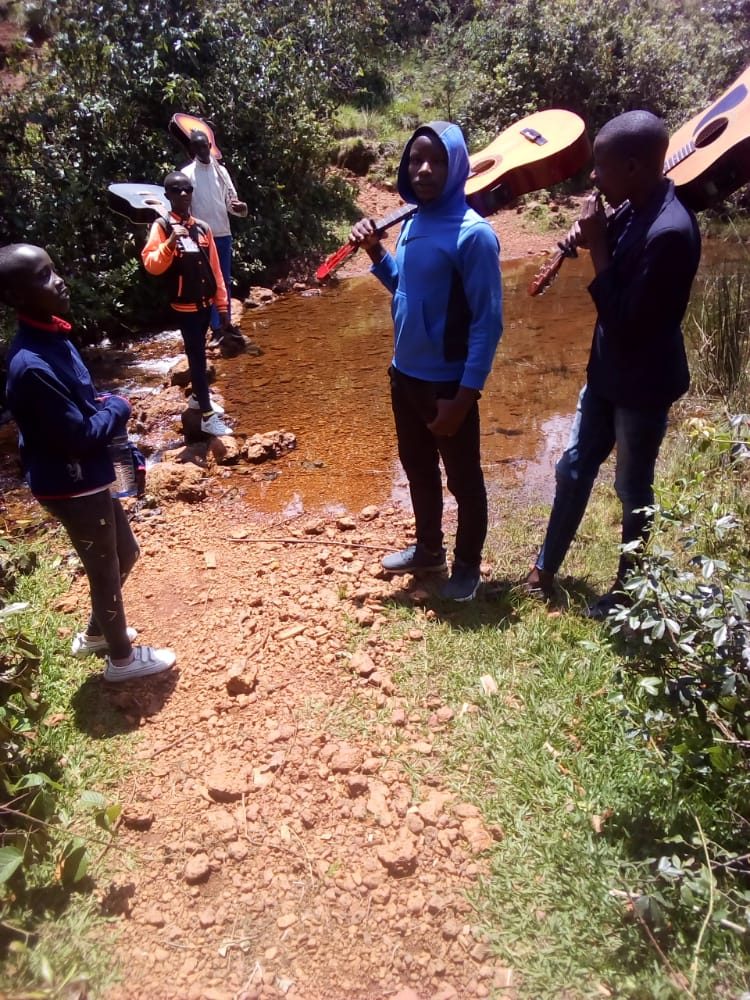
The school in photographs
The teachers
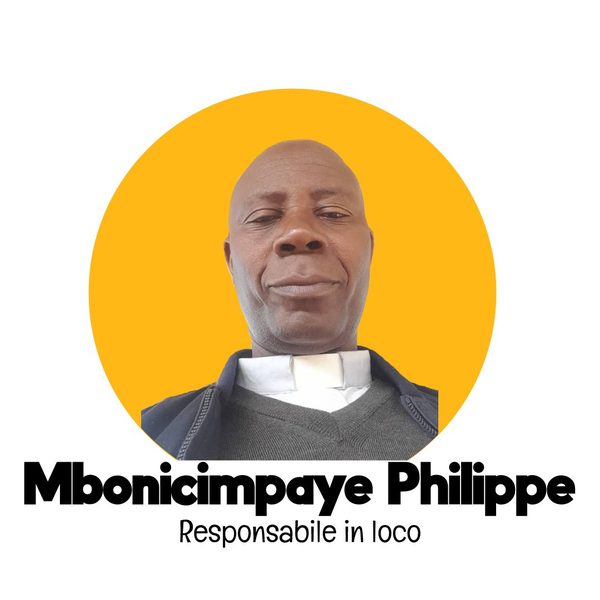 Mbonicimpaye PhilippeLocal coordinator
 Divin KajenezaGuitar and music theory
 Gilbert ManirakizaGuitar
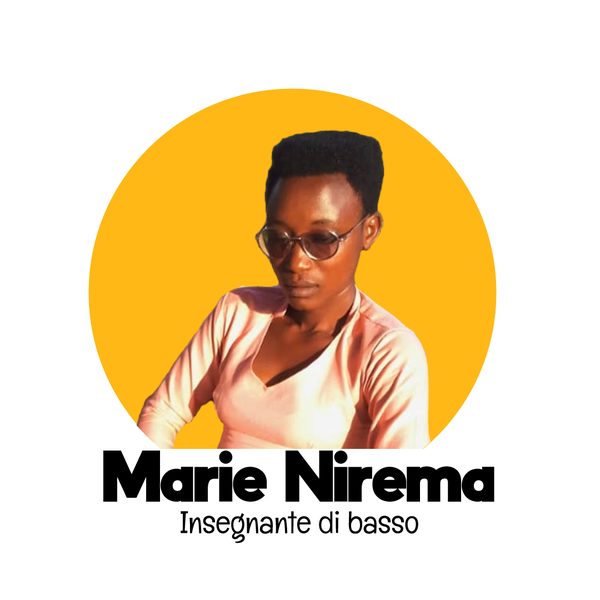 Marie NiremaBass
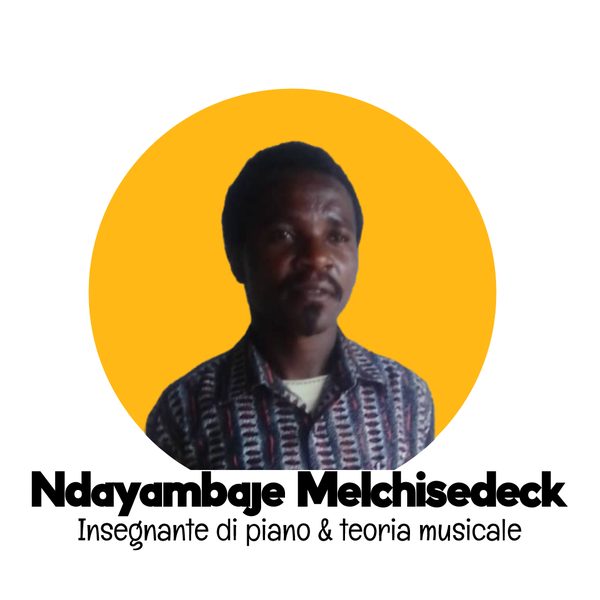 Ndayambaje MelchisedeckPiano and music theory
 Albert ErnestTeacher
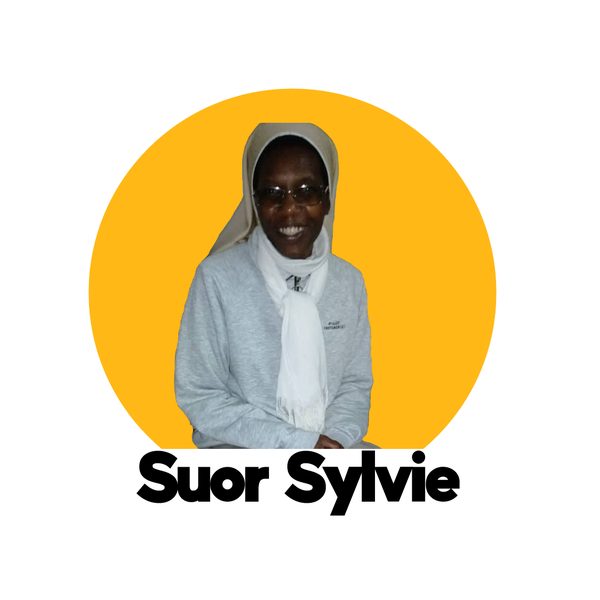 Suor SylvieSchool contact
The projects in Burundi and Cuba began together with Spagnolli-Bazzoni Onlus of Rovereto, the association thanks to which the Echoo team took its first steps, receiving both trust and financial support.